


How Long It Lasts & How to Care for It: Smile Design
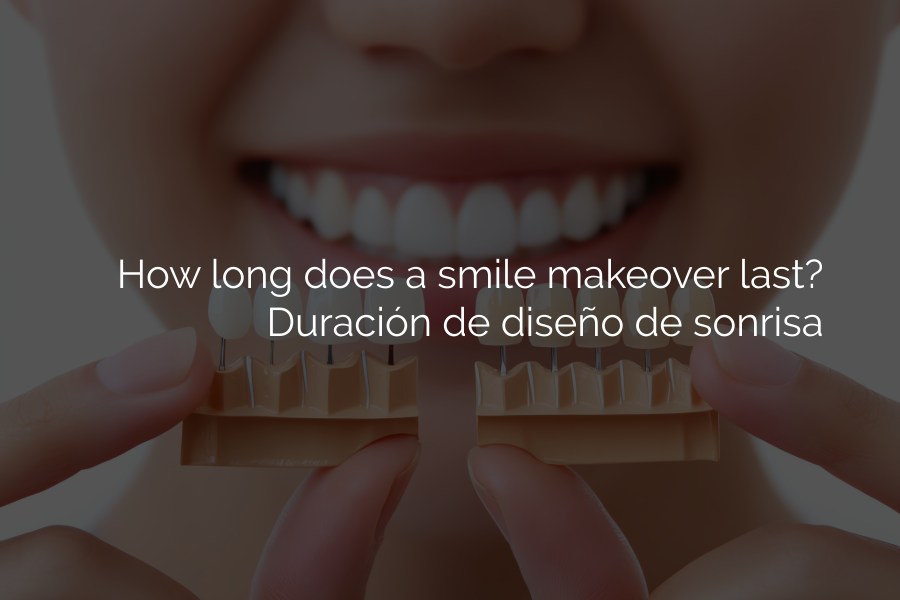
A smile design is one of the most popular cosmetic dental treatments for improving the color, shape, and harmony of the teeth. But one of the most common questions patients ask is: How long does a smile design last? The answer depends on the material used, the patient’s habits, and how well the treatment is maintained over time.
How Long Can a Smile Design Last?
The lifespan varies according to the type of restoration:
- Approximate lifespan of porcelain veneers: 10 to 20 years
- Approximate lifespan of resin veneers: 5 to 8 years
Porcelain veneers usually offer the best durability and color stability, while composite resin veneers may require more maintenance and can stain over time.
Factors That Affect Longevity
- The Material Used
Porcelain is more resistant to wear and staining than composite resin, making it the preferred choice for long-lasting and highly aesthetic results. - Oral Hygiene
A smile design does not replace daily dental care. Proper brushing, flossing, and professional cleanings are essential to prevent cavities and gum disease that could compromise the treatment. - Patient Habits
Certain habits can significantly reduce the lifespan of a smile design:
– Biting hard objects (ice, pens, nails).
– Teeth grinding or clenching (bruxism).
– Smoking.
– Excessive consumption of coffee, red wine, or other staining beverages. - Regular Dental Checkups
Routine visits allow the dentist to detect small issues such as wear, leaks, or fractures before they become major problems.
How to Care for a Smile Design
Keeping your smile design in excellent condition is simple, but it requires consistency. Here are the most important recommendations:
- Brush after every meal
- Use a soft-bristled toothbrush and a non-abrasive toothpaste to protect both your natural enamel and your veneers or restorations.
- Floss daily
- Plaque buildup between the teeth can affect the gums and compromise the stability of the smile design.
- Avoid aggressive habits
- Do not use your teeth to open packages or bite hard objects. If you play contact sports, wear a mouthguard.
- Manage bruxism
- If you grind your teeth at night, your dentist may recommend a night guard to protect your veneers and restorations.
- Limit staining substances
- Coffee, tea, red wine, and tobacco can affect the color of restorations, especially composite veneers. Moderation and good oral hygiene afterward are key.
- Visit your dentist every 6 months
- Professional cleanings and checkups help maintain oral health and extend the lifespan of your treatment.
When Should a Smile Design Be Replaced?
A smile design may need renewal if you notice:
- Fractures or chipping.
- Noticeable color changes.
- Excessive wear.
- Leaks or decay beneath restorations.
Recurring gum inflammation.
In many cases, it is not necessary to replace the entire smile design; individual veneers or restorations can often be repaired or replaced separately.
The Key Is Maintenance
A well-executed smile design can last for many years. The combination of high-quality materials, proper planning, and good care habits is what truly makes the difference in its longevity. At Dr. Gonzaga Tabares’ clinic, every treatment is personalized to achieve aesthetic, functional, and long-lasting results.